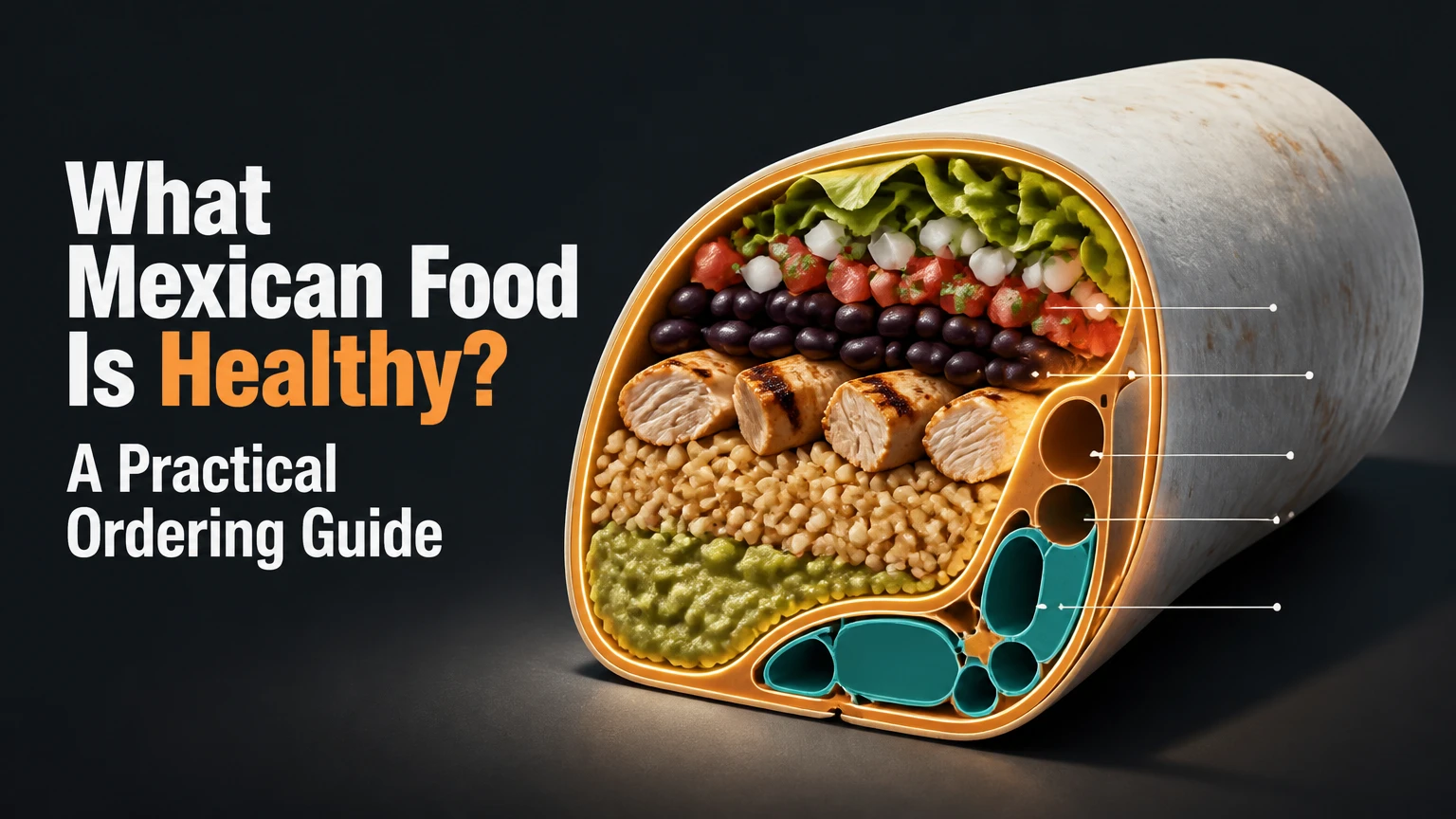
Healthy Mexican food includes grilled fish or chicken, ceviche from properly handled seafood, bean-based dishes, vegetable soups, nopal salad, corn tortillas, fresh salsa, and measured guacamole. Mexican cuisine becomes less nutritious when frying, oversized portions, salty sauces, refined tortilla products, and large amounts of cheese or creamy toppings dominate the plate.
Key Facts at a Glance
- One corn tortilla typically contributes about 50-70 calories, while a large flour tortilla commonly contributes 200-เป็น?
- Whole beans provide plant protein and fiber; refried beans may contain added fat and substantially more sodium.
- Three small grilled chicken tacos with corn tortillas and salsa typically provide about 350-600 calories, depending on portion size.
- A healthy Mexican plate usually combines vegetables, beans or another high-fiber carbohydrate, lean protein, and a measured source of unsaturated fat.
- American Heart Association guidance recommends no more than 2,300 milligrams of sodium daily for most adults, with an ideal limit of 1,500 milligrams for many adults with hypertension.
- Fried shells, chips, creamy dips, and oversized burritos can add more calories than the main filling.
What Mexican Food Is Healthy?
The healthiest Mexican food is prepared with grilled, baked, steamed, simmered, or raw whole-food ingredients rather than deep-fried shells and heavily creamy toppings. Strong choices include caldo de pollo, pescado a la Veracruzana, ceviche, tacos al carbón, frijoles de la olla, ensalada de nopal, and vegetable-forward bowls.
Traditional Mexican cooking has a broad nutritional foundation: maize, beans, squash, tomatoes, chilies, onions, cactus, herbs, fruit, seeds, and seafood. The finished meal still depends on technique. A bean-and-vegetable taco can be balanced, while a fried tortilla filled with cheese and cream can become energy-dense despite containing vegetables.
Michael Pollan’s widely cited rule from In Defense of Food is, “Eat food. Not too much. Mostly plants.” That principle fits healthy Mexican ordering when the plate emphasizes recognizable ingredients and portions remain appropriate for the individual’s energy and medical needs.
Why Are Beans and Corn a Strong Combination?
Corn tortillas and beans complement one another nutritionally because each supplies different amino acids, and together they provide a more complete plant-protein pattern. The combination also adds fiber, which slows digestion and can improve fullness compared with a meal based mainly on refined flour and cheese.
The phrase “complete protein” should not be overstated. People do not need to combine complementary proteins in the same bite or meal, because adequate total protein across the day matters more. Beans also vary in sodium, and canned versions should be rinsed when possible.
How Does Mexican Food Become Nutritious?
Mexican food becomes nutritious through the interaction of ingredients, cooking methods, and portion structure. Beans contribute fiber and protein, vegetables add potassium and carotenoids, chilies add flavor without many calories, and avocado or pumpkin seeds provide unsaturated fat that helps make a vegetable-rich meal satisfying.
The USDA FoodData Central database lists cooked black beans at roughly 8-9 grams of protein and about 7-8 grams of fiber per 100 grams, although recipes vary. A 100-gram serving of avocado contains roughly 160 calories, so guacamole is nutrient-dense but still portion-sensitive.
The Main Nutritional Mechanisms
| Ingredient or method | Typical contribution | Main benefit | Main limitation |
|---|---|---|---|
| Black or pinto beans, cooked | 7-9 g fiber per cup | Protein, fiber, fullness | Sodium in canned or restaurant versions |
| Corn tortilla | 50-70 calories each | Whole-grain carbohydrate, portion control | Low protein by itself |
| Avocado | About 160 calories per 100 g | Monounsaturated fat, potassium | Energy-dense in large servings |
| Nopales | About 15-20 calories per 100 g | Fiber, volume, vegetable variety | Often paired with salty cheese |
| Grilled fish | About 20-25 g protein per 100 g | Lean protein, useful omega-3s in some species | Marinades may add sodium |
| Fresh salsa | About 5-15 calories per 2 tablespoons | Flavor, tomatoes, chilies, herbs | Restaurant salsa may be salty |
Capsaicin in chilies can create a temporary increase in thermogenesis, but chili peppers are not a meaningful substitute for calorie control, exercise, sleep, or medical treatment. The practical value of salsa is that strong acidity and heat can reduce dependence on creamy, fatty toppings.
Which Mexican Dishes Are Healthiest?
The healthiest Mexican dishes are usually vegetable-forward soups, grilled seafood, grilled meat with corn tortillas, whole-bean plates, and nopal salads. The best choice depends on portion size, added oil, salt, and whether the dish arrives with chips, fried sides, cheese, or creamy sauces.
| Dish | Typical portion | Typical calories | Strongest nutritional feature | Watch for |
|---|---|---|---|---|
| Ceviche | 1-1.5 cups | 180-350 | Lean seafood and fresh vegetables | Sodium and raw-seafood handling |
| Caldo de pollo | 2 cups | 250-450 | Hydration, vegetables, protein | Skin-on chicken and salty broth |
| Tacos al carbón | 3 small tacos | 350-600 | Grilled protein and controlled tortillas | Fatty fillings and oversized tortillas |
| Ensalada de nopal | 1.5 cups | 150-350 | High-volume vegetable and fiber | Excess cheese, oil, or salt |
| Pescado a la Veracruzana | 4-6 oz fish | 300-550 | Lean protein and tomato-based sauce | Oil, olives, and capers raise sodium |
| Bean and vegetable bowl | 2-3 cups | 450-750 | Fiber, plant protein, vegetables | Large rice, cheese, and tortilla portions |
Is Ceviche Always a Healthy Choice?
Ceviche is often a lean, high-protein choice, but ceviche is not automatically safe or low-sodium. Lime juice changes the texture of seafood and adds acidity, yet it does not reliably eliminate every pathogen or parasite that proper cooking controls.
Pregnant people, young children, older adults, and people with weakened immune systems should follow local public-health guidance about raw or lightly cured seafood. Choose cooked seafood when safety is uncertain. Ceviche can also contain substantial sodium from salt, packaged seasonings, and restaurant preparation.
Are Soups Better Than Tacos?
Caldo de pollo and caldo de res can provide more vegetables and water per calorie than many taco plates, but soup is not always lower in sodium. Broth concentrate, bouillon, salted meat, and large starchy additions can turn a nutritious-looking bowl into a high-sodium meal.
Ask for extra cabbage, zucchini, chayote, and carrots, and request broth on the side when possible. For tacos, order grilled protein, two or three small corn tortillas, salsa, and a vegetable side. Both formats can work.
Which Sides and Toppings Are Healthy?
Fresh salsa, pico de gallo, cilantro, lime, cabbage, grilled vegetables, whole beans, and measured guacamole are generally the most useful Mexican toppings and sides. These choices add flavor, fiber, acidity, or unsaturated fat without the concentrated calories of queso dip, sour cream, or fried tortilla products.
| Side or topping | Typical serving | Typical calories | Sodium variability | Practical portion |
|---|---|---|---|---|
| Pico de gallo | 1/4 cup | 10-20 | Low to moderate | 1/4-1/2 cup |
| Salsa roja or verde | 2 tbsp | 5-20 | Moderate to high | 2-4 tbsp |
| Guacamole | 2 tbsp | 45-60 | Low before added salt | 2-4 tbsp |
| Whole beans | 1/2 cup | 110-150 | 100-500 mg | 1/2-1 cup |
| Queso dip | 1/4 cup | 150-250 | 400-800 mg | Occasional, small serving |
| Sour cream | 2 tbsp | 50-60 | 25-50 mg | 1 tbsp or skip |
| Tortilla chips | 2 oz | 280-320 | 200-500 mg | Avoid premeal basket |
Frijoles de la olla, or whole pot-cooked beans, are preferable when the kitchen prepares them with limited added fat and salt. Refried beans are not automatically unhealthy, because some restaurants use little oil and no animal fat, but the menu label alone does not reveal the recipe.
Guacamole supplies fiber and monounsaturated fat, yet a restaurant scoop can equal 150-300 calories. Treat guacamole as the meal’s primary added fat, not as a free topping alongside cheese, cream, and a large amount of oil.
How Should You Order at a Mexican Restaurant?
Order a healthy Mexican meal by controlling the base, choosing grilled protein, adding vegetables and beans, selecting one calorie-dense topping, and managing sodium. The five-minute ordering sequence is: skip or split chips, choose corn tortillas or a bowl, request grilled food, add vegetables, and place cheese or guacamole on the side.
A Practical Restaurant Sequence
- Decline the automatic chips or share one small portion. A typical 2-ounce serving supplies about 280-320 calories before the meal arrives.
- Choose the base deliberately. Select two or three corn tortillas, lettuce, or a half portion of rice instead of a giant flour tortilla.
- Use menu language as a cooking filter. Favor al carbón, asado, a la plancha, grilled, or baked. Limit frito, empanizado, crispy, and enchilado when those terms indicate frying or heavy sauce.
- Add high-volume vegetables. Request extra fajita vegetables, cabbage, nopales, tomatoes, onions, or a side salad.
- Choose one rich addition. Select either guacamole, cheese, or cream. Salsa and lime can accompany any of them.
- Ask about beans and broth. Confirm whether beans contain added fat and whether soup uses a salty base.
- Taste before adding bottled sauce. Bottled hot sauces and seasoning powders can add sodium quickly.
A useful plate formula is half non-starchy vegetables, one quarter protein, and one quarter beans, rice, or tortillas. The formula is a flexible visual guide, not a medical prescription, and athletes or people with higher energy needs may require more carbohydrate.
What Should You Order for Different Health Goals?
| Goal | Recommended order | Modification | Main trade-off |
|---|---|---|---|
| Weight management | Caldo de pollo or grilled chicken bowl | Double vegetables, half rice, salsa | Lower energy density may feel less indulgent |
| Muscle gain | Pollo asado or grilled steak with beans and tortillas | Add a full carbohydrate portion | More calories are appropriate for some athletes |
| Heart health | Baked fish with tomato sauce and vegetables | Request less salt, limited cheese | Capers, olives, and broth can raise sodium |
| Lower carbohydrate | Fajita plate with vegetables, protein, guacamole | Skip rice, beans, and tortillas | Less fiber and fewer training carbohydrates |
| Vegetarian eating | Bean, nopal, mushroom, and vegetable tacos | Confirm beans contain no animal fat | Protein may be lower without extra beans |
| Gluten-free eating | Corn-tortilla tacos or a bowl | Confirm shared fryer and cross-contact practices | Corn tortillas can still be contaminated |
Tacos or a Burrito Bowl: Which Is Healthier?
Three small grilled tacos are often easier to portion than a restaurant burrito, while a burrito bowl offers greater control over vegetables, beans, and rice. The healthier format is the one that prevents oversized flour tortillas, double starches, fried toppings, and uncontrolled cheese portions.
| Format | Typical calorie range | Portion control | Common hidden addition | Better order |
|---|---|---|---|---|
| Three street tacos | 350-600 | High with small tortillas | Oil-rich meat or cheese | Grilled protein, salsa, onions |
| Large burrito | 800-1,300 | Low | Flour tortilla, rice, beans, cheese | Half-size burrito, extra vegetables |
| Burrito bowl | 500-900 | High | Double rice and creamy dressing | Lettuce, beans, half rice, salsa |
| Taco salad | 600-1,200 | Variable | Fried tortilla bowl | Leafy salad, grilled protein, lime |
| Fajita plate | 500-900 | Moderate | Butter, rice, tortillas, sour cream | Extra vegetables, two tortillas |
The counterintuitive point is that flour tortillas are not inherently forbidden, and corn tortillas are not automatically healthy. A small flour tortilla with grilled vegetables may outperform six corn tortillas filled with fatty meat and cheese. Total portion and preparation matter more than a single ingredient label.
Can Mexican Food Fit Vegetarian, Vegan, Keto, or Gluten-Free Eating?
Mexican food can fit vegetarian, vegan, low-carbohydrate, and gluten-free patterns when the diner verifies ingredients and cross-contact. Beans, lentils, nopales, mushrooms, squash, corn tortillas, avocado, salsa, and vegetables create a broad plant-based foundation, but restaurant recipes can contain hidden dairy, animal fat, wheat, or sugar.
Vegetarian and Vegan Choices
Order bean and vegetable tacos, nopal salad without cheese, mushroom fajitas, lentil soup when available, guacamole, and corn tortillas. Ask whether beans are cooked with animal fat, whether rice contains broth, and whether cheese or cream appears in sauces.
Plant-based meals need adequate protein. Add a generous portion of beans, lentils, tofu where available, or pumpkin seeds. Rice and tortillas contribute energy but comparatively little protein.
Low-Carbohydrate Choices
Choose grilled fish, chicken, steak, shrimp, fajita vegetables, leafy greens, salsa, and guacamole. A low-carbohydrate order can omit rice, beans, chips, and tortillas, but removing beans also removes a valuable source of fiber and plant protein.
For diabetes, carbohydrate quantity and distribution matter more than declaring an entire cuisine off-limits. The American Diabetes Association recommends individualized eating patterns, so a person using insulin or glucose-lowering medication should coordinate major dietary changes with a qualified clinician.
Gluten-Free Choices
Plain corn tortillas, beans, rice, grilled meats, seafood, salsa, and guacamole are often compatible with gluten-free eating. Cross-contact can occur on shared griddles, fryers, cutting boards, or serving utensils, so people with celiac disease should ask specific preparation questions.
What Are Typical Calories, Costs, and Portions?
A typical healthy Mexican restaurant meal costs about $10-$25 in the United States and provides roughly 400-900 calories before drinks, desserts, and chips. Home-cooked servings commonly cost $3-$8 and take 20-45 minutes, depending on whether beans and protein are already prepared.
| Meal format | Typical calories | Typical US price | Preparation time | Portion guide |
|---|---|---|---|---|
| Three grilled chicken tacos | 350-600 | $10-$18 | 10-20 minutes | 3 small tacos |
| Ceviche with vegetables | 250-500 | $14-$26 | 20-40 minutes | 1-1.5 cups |
| Chicken vegetable soup | 250-500 | $9-$16 | 30-60 minutes | 2 cups |
| Bean and vegetable bowl | 450-800 | $11-$18 | 15-30 minutes | 2-3 cups |
| Fish with tomato sauce | 300-600 | $16-$28 | 25-40 minutes | 4-6 ounces fish |
| Homemade nopal salad | 150-350 | $3-$8 | 20-30 minutes | 1.5 cups |
These figures are typical planning ranges, not laboratory measurements. Restaurant oil, tortilla diameter, protein weight, rice scoops, cheese, and sodium can change the result by hundreds of calories and several hundred milligrams of sodium.
How Can You Make Mexican Food Healthier at Home?
Make Mexican food healthier at home by building each meal from one protein, one high-fiber carbohydrate, at least two vegetables, and one measured source of unsaturated fat. Use roasting, grilling, simmering, and dry-toasting instead of deep-frying, then season with lime, garlic, herbs, chilies, cumin, and onion before adding salt.
| Meal component | Practical amount for one serving | Examples | Preparation rule |
|---|---|---|---|
| Protein | 4-6 oz or 3/4-1 cup | Fish, chicken, beans, lentils | Grill, bake, simmer, or sauté lightly |
| High-fiber carbohydrate | 1/2-1 cup | Beans, brown rice, corn | Use one main starch first |
| Vegetables | 1.5-2 cups | Nopales, squash, cabbage, peppers | Add volume before cheese |
| Unsaturated fat | 1-2 tbsp | Avocado, seeds, olive oil | Measure calorie-dense ingredients |
| Flavor base | 2-4 tbsp | Salsa, pico de gallo, lime | Use acidity to reduce added salt |
A home cook can prepare a batch of beans, roasted vegetables, salsa, and grilled protein in about 60-90 minutes, then assemble tacos or bowls for several meals. Rinsing canned beans can reduce surface sodium, although the exact reduction depends on the product and rinsing method.
What Mistakes Make Mexican Food Less Healthy?
The most common mistakes are confusing a vegetable label with a healthy preparation, treating toppings as unlimited, overlooking sodium, and stacking several starches in one meal. A taco salad in a fried shell, for example, can contain more energy than grilled tacos because the shell, cheese, cream, and dressing outweigh the salad greens.
The Salad Bowl Trap
Order leafy greens with grilled protein, beans, pico de gallo, and lime instead of a deep-fried tortilla bowl. Request dressing or creamy sauce separately. The word “salad” describes the format, not the nutritional result.
The Refried Bean Assumption
Ask whether refried beans contain added fat and whether whole beans are available. Whole beans are usually the safer default when the recipe is unknown, but restaurant versions can still be salty.
The Double-Starch Problem
Rice, beans, tortillas, chips, and a flour wrap can all appear in one meal. Select one or two portions based on hunger and activity, rather than accepting every default side.
The Sodium Blind Spot
Salsa, broth, grilled marinades, cheese, olives, capers, and bottled sauces can each contribute sodium. People following a low-sodium diet should request no added salt where practical and prioritize fresh lime, cilantro, onions, and unsalted vegetables.
How Do Mexican Food Choices Vary by Restaurant?
Healthy Mexican choices vary because restaurants use different recipes, serving sizes, cooking fats, and definitions for terms such as “grilled,” “beans,” and “rice.” A neighborhood restaurant may offer whole pot-cooked beans and fresh vegetables, while a fast-casual chain may provide precise nutrition data but larger standardized portions.
Restaurant cuisine also varies by region. Coastal menus may offer more seafood, central Mexican menus may feature soups and corn-based dishes, and northern menus may emphasize grilled meats and flour tortillas. Regional identity does not determine healthfulness. The preparation and portion do.
FAQ
Is Mexican food healthy for weight loss?
Mexican food can support weight loss when meals emphasize vegetables, beans, lean protein, and controlled portions of tortillas, rice, cheese, and guacamole. Caldo de pollo, grilled tacos, and bean-and-vegetable bowls generally provide more volume per calorie than fried entrées, chips, creamy dips, and oversized burritos.
Is rice or beans the healthier side?
Beans are usually the stronger default because they provide more fiber and protein per serving than restaurant rice. Rice can still fit a balanced meal, especially for active people, but choose a modest portion and avoid automatically combining rice, beans, chips, tortillas, and a large flour wrap.
Are corn tortillas healthier than flour tortillas?
Corn tortillas are typically smaller and lower in calories than large flour tortillas, making portion control easier. Flour tortillas are not automatically unhealthy, but restaurant burrito-sized versions can contain 200-350 calories before filling. Choose based on size, ingredients, dietary requirements, and the total meal.
What is the healthiest Mexican breakfast?
A balanced Mexican breakfast can include eggs with vegetables, beans, salsa, and one or two corn tortillas. Limit fried tortilla strips, large amounts of cheese, creamy sauces, and sweetened beverages. Add fruit if the meal needs more carbohydrate or volume.
Can people with diabetes eat tacos?
People with diabetes can often include tacos by controlling carbohydrate portions and choosing fiber-rich fillings. Grilled protein, beans, vegetables, salsa, and two or three small corn tortillas create a more balanced meal than a large flour burrito with chips. Individual glucose responses and medication plans differ.
Is guacamole healthy?
Guacamole provides monounsaturated fat, fiber, and potassium, but guacamole is calorie-dense. A practical serving is 2-4 tablespoons when the meal also includes cheese, oil, or cream. Use guacamole as the principal rich topping rather than adding every high-fat condiment.
The Bottom Line
What Mexican food is healthy depends less on the cuisine’s name than on ingredients, cooking method, portion size, and toppings. Choose grilled or simmered proteins, whole beans, corn tortillas, vegetables, fresh salsa, and a measured amount of avocado; limit fried shells, chips, oversized flour tortillas, creamy sauces, and excess cheese.