Mexican Style vs. American Style Tacos
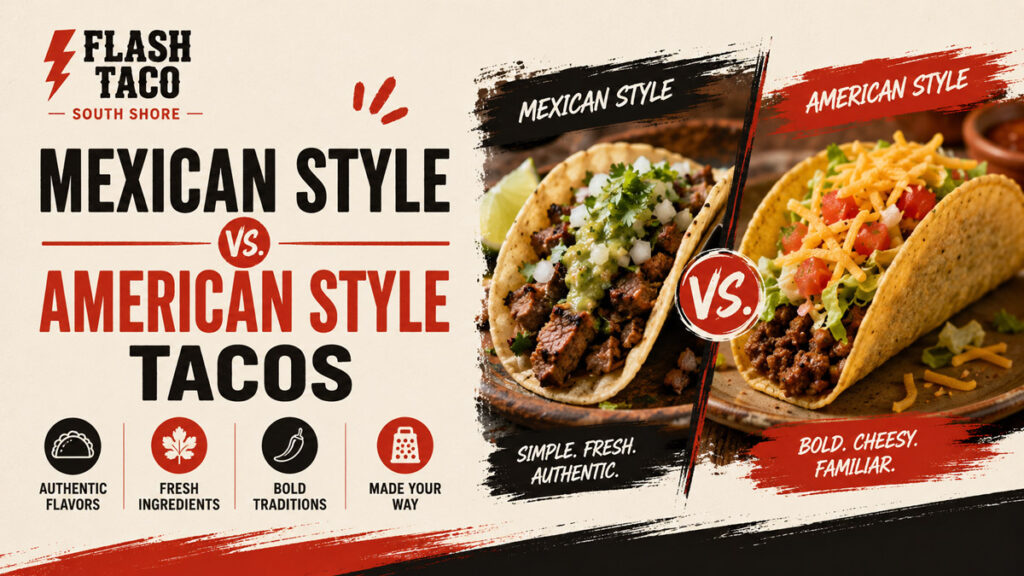
Ordering tacos in Chicago usually means making a style decision, and at Ta’golazo the choice is written right on the menu board: Mexican style or American style. What Mexican style means Mexican style is cilantro and onion on the meat, the classic finish. It keeps the taco light, lets the meat carry the flavor, and […]
Mexican Oregano vs Italian Oregano: Which Fits Your Dish?
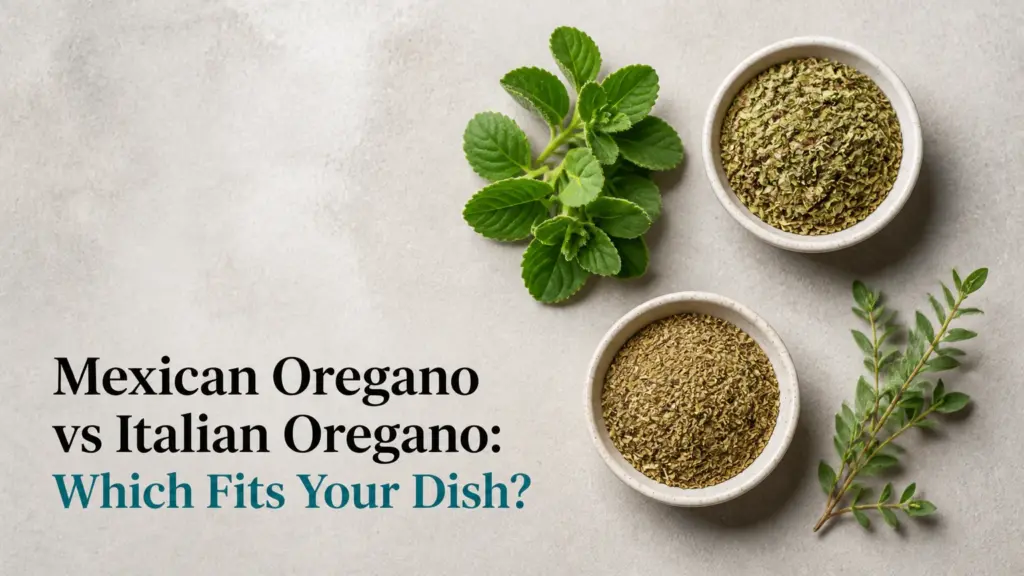
Mexican oregano and Italian oregano are different herbs, not regional versions of the same plant. Mexican oregano usually means Lippia graveolens from the verbena family, with citrus, earthy, and lightly anise-like notes; Italian oregano is a culinary label for Mediterranean Origanum herbs, usually milder, sweeter, and more floral. Key Facts at a Glance Mexican Oregano […]
How to Build a Burrito Bowl: Meat, Beans, Rice, Toppings
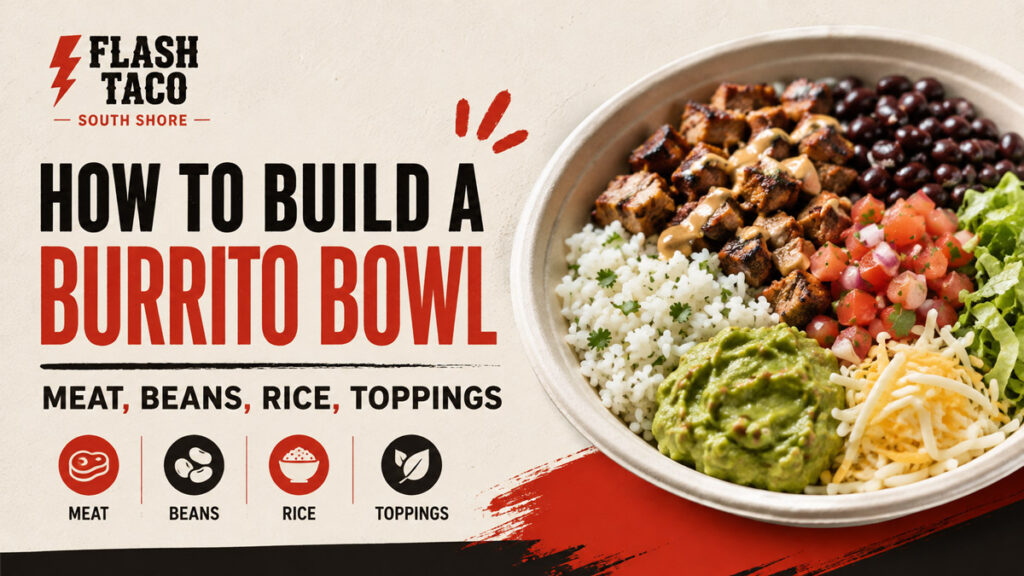
The burrito bowl line at Ta’golazo works in four steps, and the sign at the counter spells them out so nobody has to guess. If you have ever stared at a menu board wondering where to start, this is the order. Step 1: meat or poultry Pick a protein. The sign lists braised carnitas, barbacoa, […]
Guajillo vs Ancho Chile: Heat, Flavor, and Best Uses
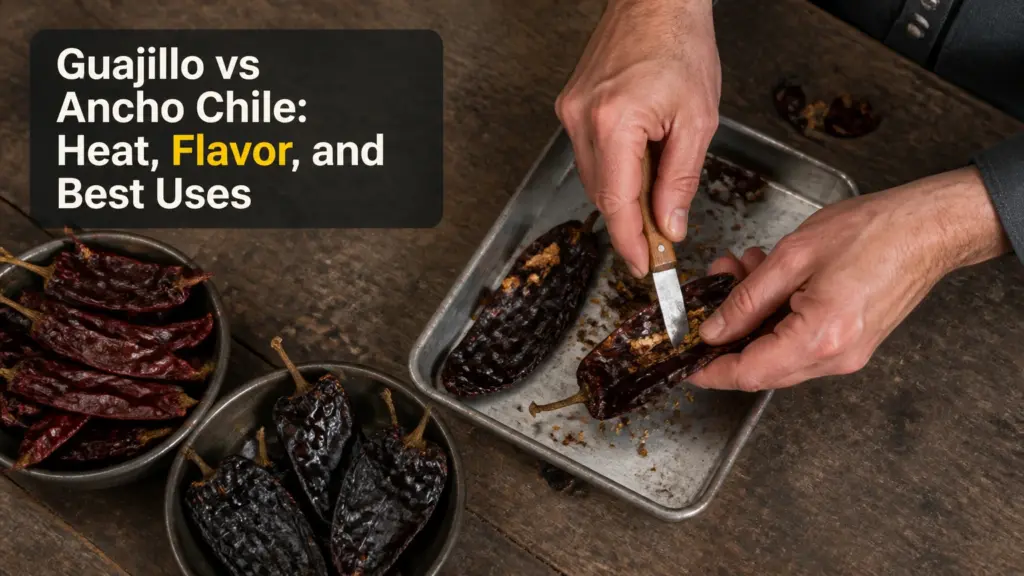
Guajillo chiles are brighter, fruitier, thinner-skinned, and moderately hotter, while ancho chiles are darker, sweeter, broader, and milder. Choose guajillo when a sauce needs red color and lively berry acidity; choose ancho when it needs raisin-like sweetness, earthy depth, and body. Many Mexican sauces use both because their strengths balance one another. Key Facts at […]
Mulita vs Quesadilla: Crunch, Size, and Best Use
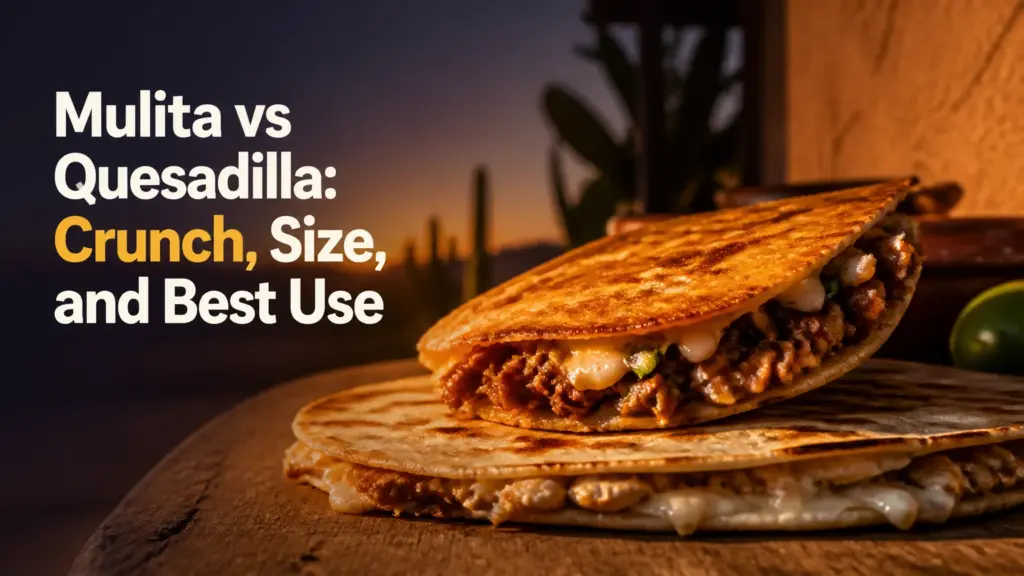
A mulita uses two tortillas stacked around melted cheese and usually chopped meat, creating a crisp Mexican street-food sandwich. A quesadilla uses one tortilla folded over cheese and optional fillings, producing a half-moon or sealed pocket. Choose a mulita for crunchy, meat-forward bites; choose a quesadilla for flexibility, larger portions, or a softer comal-cooked texture. […]
Mexican Food That Starts With G: 8 Dishes Explained
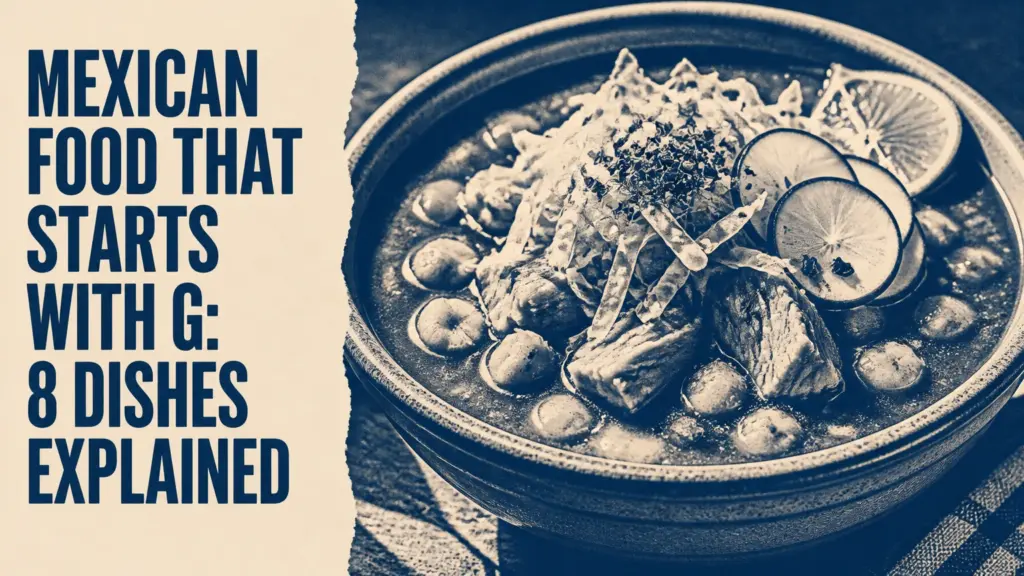
Mexican food that starts with G includes guacamole, gorditas, gringas, guaxmole, garnachas, garnachas istmeñas, green salsa, and guaje-based preparations. The four most widely recognized dish names are guacamole, gorditas, gringas, and guaxmole, while garnachas and guaje explain important regional and ingredient vocabulary. Key Facts at a Glance What Mexican Food Starts With G? The most […]
Tajín vs Chili Powder: The Right Choice for Every Dish
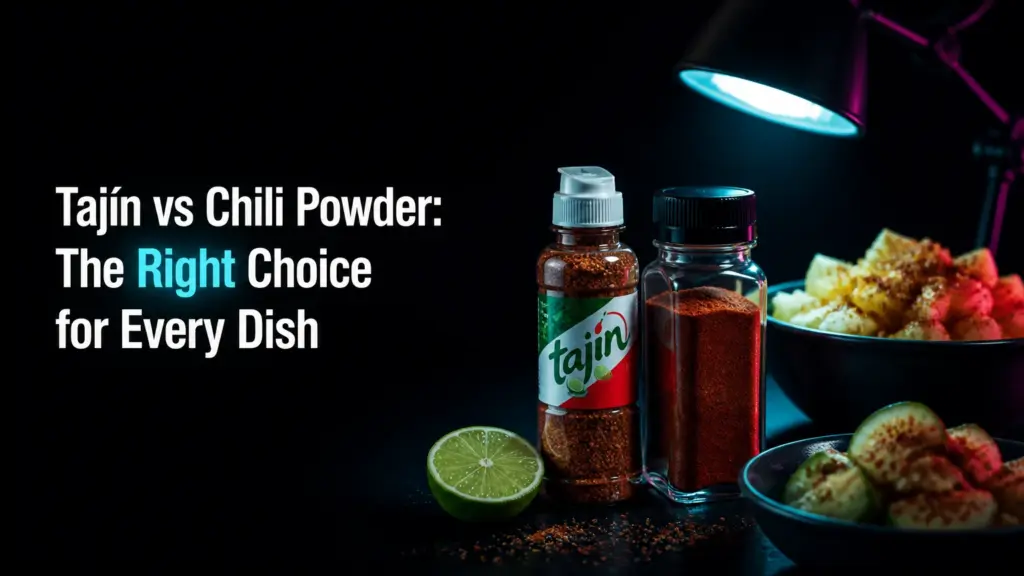
Tajín and chili powder are different seasonings with different jobs. Tajín is a branded chile, lime, and salt seasoning designed primarily to finish food, while chili powder may mean a pure ground chile or a savory blend containing cumin, garlic, oregano, and other spices. Choose Tajín for tangy, salty brightness and chili powder for chile […]
Vampiros Mexican Food: The Sinaloa-Style Guide
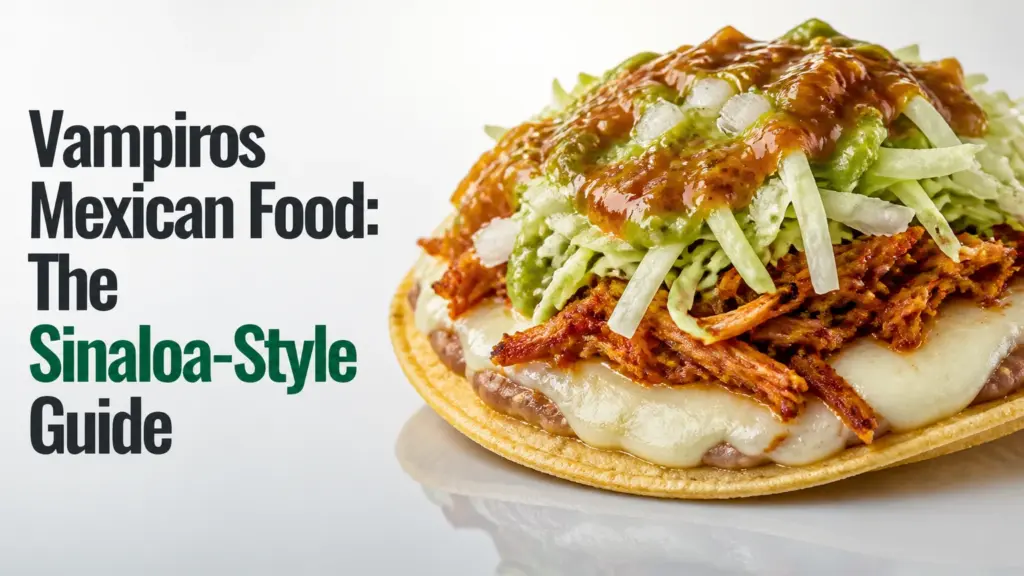
Vampiros Mexican food are crispy, open-faced Mexican street-food tortillas topped with melted cheese, grilled meat or seafood, avocado, onion, cilantro, and salsa. The tortilla is toasted on a comal rather than deep-fried, creating a crackly base that combines the structure of a tostada with the cheese and fillings associated with a taco or quesadilla. Key […]
Entomatadas Mexican Food: A 40-Minute Tomato Guide
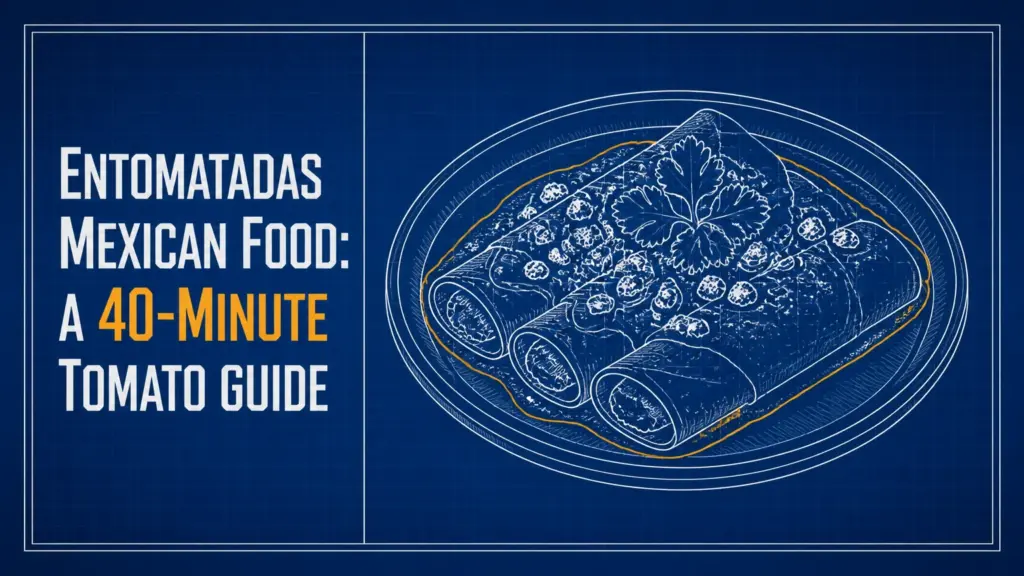
Entomatadas are a traditional Mexican dish made from briefly fried corn tortillas coated in a smooth, seasoned tomato sauce, then folded around cheese, chicken, eggs, or another filling. They resemble enchiladas, but their defining sauce is tomato-forward and usually mild rather than dominated by dried chiles. Key Facts at a Glance What Are Entomatadas Mexican […]
Pozole vs Menudo: How to Choose the Right Bowl
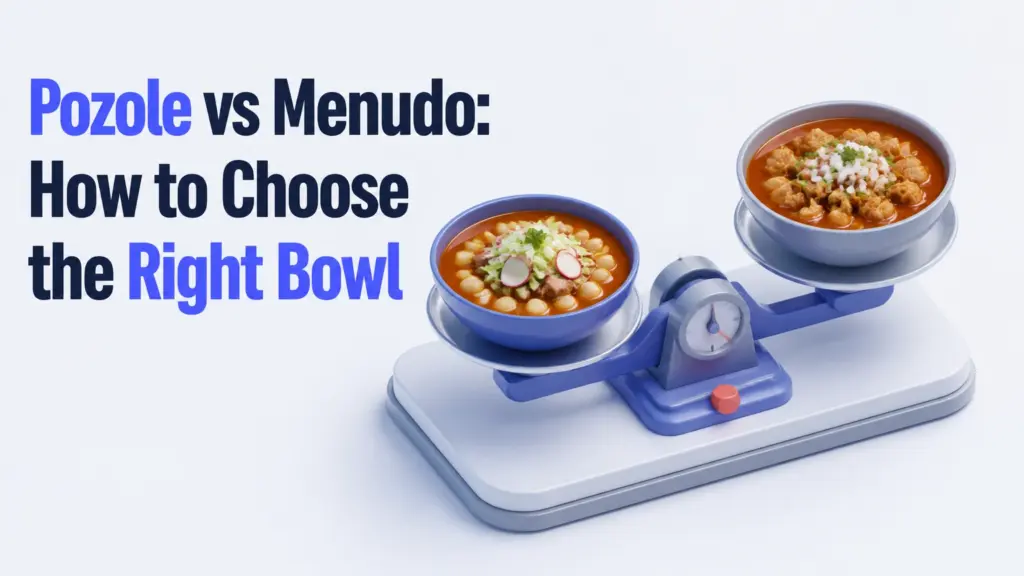
Pozole and menudo are Mexican soups separated by their defining ingredient: pozole is built around nixtamalized corn kernels called hominy, while menudo is built around tender beef tripe. Pozole usually offers a milder, chewy corn texture and customizable chile broth; menudo delivers a deeper, gelatinous broth with a distinctly savory tripe texture. Key Facts at […]